How Retailers Can Increase Sales with Trend-Driven Wholesale Jeans Collections
In today’s fast-paced fashion landscape, retail success heavily depends on how well a store stays aligned with emerging trends, shifting consumer behavior, and supply chain agility. Denim has always been a dependable category for retailers, but the rules have changed. Customers now expect jeans and denim pieces that feel current, expressive, comfortable, and worth the price. This is why many successful retailers have shifted their focus to trend-driven wholesale jeans collections. Leveraging wholesale clothing jeans and curating them around seasonal trends can significantly increase sales, elevate brand identity, and strengthen customer loyalty.
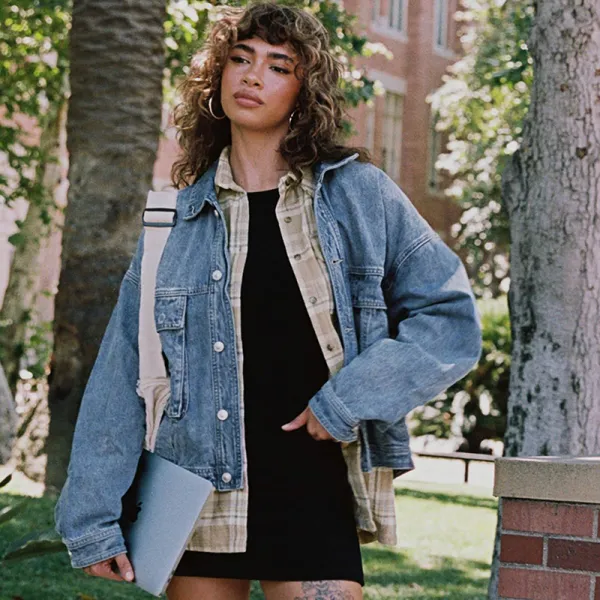
For retailers, denim is far more than a wardrobe staple. It is a high-margin category with year-round demand. When a retailer finds the right mix—classic silhouettes blended with innovative styles—denim becomes a steady revenue engine. Incorporating options like denim jean jacket wholesale, wholesale denim shorts, wholesale denim jeans mens, wholesale kids denim, and even custom jeans can offer a wide variety that appeals to diverse shoppers. Trend-driven collections create anticipation and excitement, encouraging customers to return frequently to discover what’s new.
One of the most powerful ways retailers can boost sales is by paying close attention to trend cycles. Denim trends often start on runways, social media platforms, celebrity outfits, and global streetwear movements. Instead of relying solely on basics, retailers can curate collections that reflect what fashion enthusiasts are currently searching for. Consumer interest shifts quickly—from vintage-inspired flared jeans to high-rise wide-leg designs, oversized denim jackets, distressed jeans, or minimalistic clean straight-cut styles. When these trends are mirrored in a store’s inventory, customers feel like the retailer truly understands their style needs.
At the heart of creating a successful trend-aware collection is understanding the different categories available through wholesale denim suppliers. Wholesale clothing jeans come in an array of washes, fits, and fabrics, and retailers who study these details can strategically shape a collection that feels cohesive yet diverse. Distressed denim, raw denim, stretchy blends, heavy selvedge, and eco-friendly materials all appeal to different segments of the audience. Carrying options such as wholesale denim shorts in summer, denim jean jacket wholesale year-round, or wholesale denim jeans mens for male customers helps retailers cover a broad range of preferences. For parents, adding wholesale kids denim is a must, as children’s denim sells consistently when priced reasonably and designed for comfort.
Retailers who lean into customization gain an even stronger competitive edge. Custom jeans allow businesses to build signature items in unique cuts, patterns, or washes that cannot be easily found elsewhere. These exclusive designs help nurture brand identity and give customers a reason to choose one retailer over another. Many denim factories today offer private-label manufacturing with low minimum order quantities. This enables even small retailers to create their own denim identity at a manageable cost. Offering custom elements such as embroidery, patches, or distinctive buttons can further strengthen the retailer’s uniqueness.
Another important factor is inventory strategy. A trend-driven wholesale denim collection should not simply follow every fashion wave. Instead, retailers need to balance core essentials with statement pieces. Classics like straight-leg jeans, mid-rise skinny jeans, basic denim shorts, and timeless denim jackets remain evergreen sellers. These pieces provide stability and predictable sales. Trendier options such as oversized denim jackets, extremely wide legs, cargo-denim hybrids, or colored denim inject excitement into the collection. The combination ensures the retailer remains appealing to traditional shoppers while attracting fashion-forward consumers who want something new.
Retail stores can also increase sales by understanding seasonality in denim trends. During summer, lightweight wholesale denim shorts and cropped jeans perform exceptionally well. Spring calls for pastel-washed denim jackets and mid-rise styles that pair easily with transitional outfits. Fall and winter demand thicker fabrics, darker washes, oversized silhouettes, and layered looks. Retailers who plan their inventory cycles ahead of time ensure that their offerings align perfectly with seasonal demand. This level of preparation not only drives sales but also reduces unnecessary stock delays or overstock issues.
Marketing plays a critical role as well. Trend-driven denim needs to be showcased in a way that resonates with modern consumers. Engaging visuals, social media styling videos, outfit inspiration posts, and in-store mannequins dressed in coordinated denim outfits can help customers visualize how to wear the products. Highlighting wholesale denim collections through themed lookbooks, new-arrival spotlights, or special promotions can create a sense of urgency. Consumers are more likely to buy when they feel they’re purchasing something timely and fashionable.
User-generated content is another powerful driver. Encouraging customers to share photos of themselves wearing the retailer’s latest denim pieces creates authentic marketing. When customers see real people styling the products, trust increases, and purchase decisions become easier. Retailers can even create short campaigns where buyers vote for their favorite denim styles or themes. This empowers customers and strengthens the connection between the brand and the community.
Pricing strategy matters too. Wholesale denim offers retailers the advantage of acquiring high-quality pieces at cost-effective rates. Retailers can set competitive prices that match their target demographic without compromising margins. Offering occasional discounts on trend-driven pieces helps reduce inventory risks while boosting customer interest. Bundles—such as pairing jeans with a denim jacket—can also increase average order value.
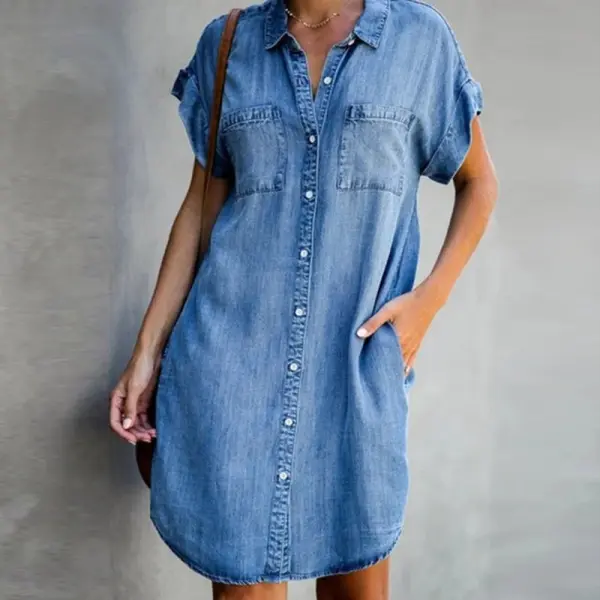
Another way retailers can elevate sales is by prioritizing fit diversity. Modern consumers expect more inclusive sizing options. From petite cuts to plus sizes, the more inclusive the denim collection, the wider the customer base becomes. People appreciate retailers who understand that bodies come in all shapes and sizes. Offering size-inclusive options in wholesale clothing jeans, wholesale denim jeans mens, and wholesale kids denim helps ensure that no customer feels excluded from the trend cycle.
Quality cannot be overlooked. Denim is an investment piece for many shoppers, and durable construction influences repeat business. Retailers should work closely with wholesale denim suppliers who prioritize high-quality stitching, fabric integrity, smooth zippers, and consistent sizing. When customers feel satisfied with their purchase, they naturally return for future styles. On the other hand, poor-quality denim can damage a retailer’s reputation quickly.
Sustainability has also become a major factor in consumer purchase decisions. Environmentally conscious shoppers prefer denim made with eco-friendly fabrics, low-impact dyes, or recycled materials. Retailers who offer sustainable wholesale denim options—while still staying on trend—appeal to this growing demographic. Many manufacturers now provide organic cotton blends or laser-treated washes that reduce water waste. Highlighting these features can significantly differentiate a retailer in a competitive market.
Visual merchandising inside the store can also influence denim sales. Creating a dedicated denim wall or feature section allows customers to browse effortlessly. Displaying jeans by fit, wash, or trend category improves the shopping experience. When denim is organized clearly, customers feel more confident trying out new trends. In online stores, detailed product descriptions, fit guides, wash explanations, and styling suggestions replicate this experience digitally.
Retailers should also keep track of sales analytics. Understanding which wholesale denim shorts sell best, which denim jean jacket wholesale styles move fastest, or which custom jeans resonate most helps refine future restocking decisions. Data-driven buying allows retailers to react quickly to customer preferences. For example, if wide-leg jeans suddenly outperform skinny jeans, retailers can adjust their next wholesale denim purchase accordingly, staying aligned with demand.
Collaborations can further boost sales. Partnering with influencers, micro-creators, or local stylists to promote trend-driven collections creates buzz. Even small retailers can collaborate within their community—hosting pop-up events, style workshops, or denim makeover days. These interactions make the shopping experience more memorable and foster customer loyalty.
Retailers who wish to maximize the benefits of wholesale denim should also build strong relationships with suppliers. Open communication ensures that retailers receive updates on upcoming styles, new fabrics, or production innovations. This early access gives them a competitive edge by allowing them to introduce trends before they hit the mainstream. Requesting samples, customizing elements, or arranging small trial batches for new trend silhouettes can help retailers test demand without taking large risks.
The versatility of denim also allows retailers to cross-sell easily. A customer who buys wide-leg jeans might also be interested in a cropped denim jacket. Parents purchasing wholesale kids denim often look for matching pieces for siblings. Men who buy wholesale denim jeans mens may be interested in shirts, belts, or sneakers to complete their look. When denim is positioned thoughtfully within the broader retail environment, it becomes an anchor category that naturally leads to additional purchases.
Trend-driven wholesale jeans collections also create storytelling opportunities. Retailers can build seasonal narratives around their denim—such as “Vintage Revival,” “Modern Minimalism,” or “Summer Denim Escape.” Customers love discovering collections that feel curated with intention. Storytelling makes the shopping experience emotional rather than transactional, which increases brand loyalty and conversion rates.
Customer feedback should always be part of the strategy. Retailers can ask customers what denim styles they want next, which fits they find comfortable, or which washes feel most appealing. This feedback loop ensures that each collection becomes more refined and relevant. Retailers who adopt this open approach often find that customers appreciate being heard and become more enthusiastic about supporting the brand.
Ultimately, a trend-driven wholesale denim strategy helps retailers stay flexible, modern, and highly competitive. By focusing on the right product mix, maintaining quality, understanding trends, leveraging custom jeans options, staying data-driven, and engaging customers creatively, retailers can consistently increase sales and build a strong presence in the denim market.
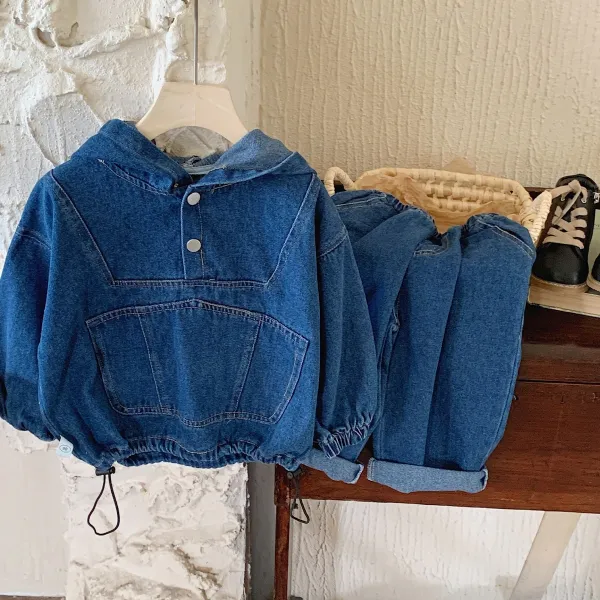
Denim remains one of the most powerful fashion categories because it blends practicality with personal expression. When retailers commit to creating compelling, trend-forward wholesale denim assortments, they unlock steady growth and long-term customer loyalty. Embracing the diversity within wholesale clothing jeans, wholesale denim shorts, denim jean jacket wholesale, wholesale denim jeans mens, wholesale kids denim, custom jeans, and the broader wholesale denim universe ensures that retailers remain relevant, profitable, and connected to the evolving world of fashion.


Comments
Post a Comment