Your Logo, Your Legacy: The Essential Guide to Full-Service Clothing Customization
In today’s fashion industry, consumers are no longer satisfied with generic products that look identical to everything else on the market. Modern shoppers crave individuality, emotional connection, and brands that reflect their personal identity and values. At the same time, retailers and entrepreneurs are searching for ways to stand out in an increasingly crowded marketplace.

This is why full-service clothing customization has become one of the most powerful strategies in modern fashion business development. From product design and private labeling to custom packaging and personalized customer experiences, customization enables businesses to transform ordinary apparel into memorable brand experiences.
For fashion entrepreneurs, your logo is far more than a symbol—it represents your story, reputation, and long-term legacy. Businesses that invest in customization service solutions gain the ability to create distinctive products, strengthen customer loyalty, and scale sustainably in the evolving global marketplace.
This article explores the essential role of full-service clothing customization in building a successful fashion brand and how businesses can leverage it to create a lasting legacy in 2026 and beyond.
The Rise of Customization in Modern Fashion
From Mass Production to Individual Expression
For decades, the fashion industry relied heavily on mass production. While this model provided affordability and accessibility, it often sacrificed individuality and emotional connection.
Today’s consumers want products that feel personal and meaningful. They are increasingly drawn to brands that offer:
- Personalized designs
- Inclusive sizing
- Custom branding
- Premium packaging
- Unique shopping experiences
This shift has transformed customization from a niche feature into a mainstream business strategy.
Why Customization Matters
Customization helps brands:
- Differentiate from competitors
- Increase perceived value
- Improve customer loyalty
- Create emotional engagement
- Command higher profit margins
In a saturated market, personalization is one of the most effective ways to build a memorable identity.
Understanding Full-Service Clothing Customization
Full-service customization goes far beyond simply printing a logo on a garment. It involves creating a cohesive brand experience across every customer touchpoint.
What Full-Service Customization Includes
- Product design customization
- Fabric and color selection
- Logo and branding integration
- Custom labels and tags
- Personalized packaging
- Private label manufacturing
- Marketing support
This comprehensive approach allows businesses to create consistent and recognizable brands.
Building a Fashion Legacy Through Branding
Your Logo as a Brand Identity
A logo is often the first thing customers associate with a brand. Strong branding creates familiarity, trust, and emotional connection.
Successful fashion logos communicate:
- Brand values
- Style identity
- Product quality
- Target audience positioning
Consistency across products, packaging, and marketing materials reinforces long-term recognition.
The Power of Private Labeling
One of the most effective ways to establish a fashion brand is through private label clothing solutions. Private labeling allows businesses to sell customized products under their own brand names instead of relying on generic wholesale items.
Benefits of Private Labeling
- Greater creative control
- Stronger customer loyalty
- Improved brand authority
- Higher profit margins
- Scalability for long-term growth
Private labeling transforms retailers from resellers into true brand owners.
Inclusive Fashion and Modern Consumer Expectations
Inclusivity has become a defining factor in successful fashion branding. Consumers increasingly support businesses that represent diverse body types and lifestyles.
Expanding Into Inclusive Fashion
Offering custom plus size clothing helps brands reach underserved audiences while promoting accessibility and body positivity.
Inclusive customization demonstrates respect for customers and strengthens emotional loyalty. Businesses that prioritize inclusive fashion often gain significant competitive advantages in today’s marketplace.
Product Categories That Thrive with Customization
Customization can enhance virtually every fashion category, helping brands create cohesive product ecosystems that reinforce their identity.
Occasion Wear and Formal Fashion
Special occasion apparel benefits enormously from personalization. Products like custom dresses allow brands to create elegant collections tailored to weddings, parties, and formal events.
Customized occasion wear often carries higher emotional value, making customers more willing to invest in premium experiences.
Swimwear and Lifestyle Branding
The swimwear market has evolved into a lifestyle-driven category closely tied to travel, wellness, and social media aesthetics. Offering custom swimwear enables brands to differentiate through prints, fits, and premium presentation.
Customized swimwear collections perform particularly well on visually driven platforms like Instagram and TikTok.
Intimate Apparel and Customer Loyalty
Consumers purchasing intimate apparel prioritize comfort, trust, and fit consistency. Offering custom lingerie allows businesses to create highly personalized experiences that encourage repeat purchases.
Luxury packaging, premium fabrics, and inclusive sizing further strengthen customer relationships in this category.
Athleisure and Performance Fashion
Athleisure continues dominating global fashion trends because consumers increasingly value clothing that combines comfort, functionality, and style.
Launching custom sportswear collections allows brands to appeal to both fitness-focused and fashion-conscious audiences.
Performance branding is especially effective because consumers often associate activewear brands with personal goals and lifestyle aspirations.
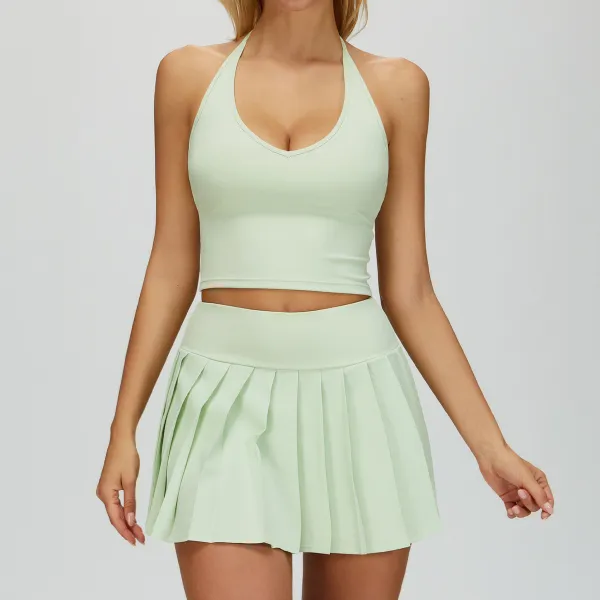
Coordinated Outfit Collections
Matching outfits and coordinated sets have become increasingly popular due to their convenience and polished appearance. Offering custom women's sets enables brands to create cohesive collections that simplify styling for customers.
These products are especially effective for travel fashion, loungewear, and influencer marketing campaigns.
Accessories as Brand Extensions
Accessories provide affordable yet impactful opportunities to reinforce brand identity. For example, custom socks can function as both practical essentials and promotional merchandise.
Custom accessories also increase average order value and encourage impulse purchases.
Denim and Long-Term Brand Loyalty
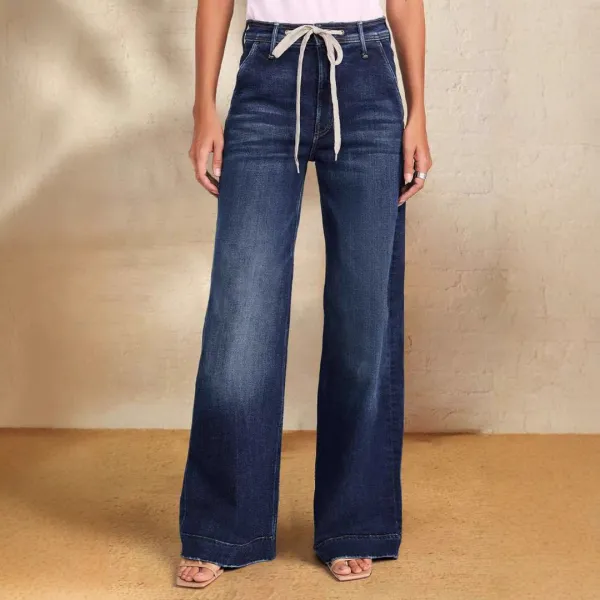
Denim remains one of the most profitable and emotionally driven fashion categories. Offering custom jeans allows businesses to focus on personalized fit, premium craftsmanship, and signature styling details.
Because customers often remain loyal to denim brands that consistently fit well, customization significantly improves retention.
Packaging and Presentation as Part of Customization
Customization extends beyond the garments themselves. Packaging and presentation play crucial roles in shaping customer perception and emotional connection.
The Importance of the Unboxing Experience
Premium packaging creates excitement and reinforces perceived value. Thoughtful presentation can transform ordinary deliveries into memorable experiences.
Popular packaging elements include:
- Branded boxes
- Tissue paper and ribbons
- Personalized thank-you notes
- Eco-friendly packaging materials
- Product care guides
These details strengthen brand identity and encourage social sharing.
Social Media and Viral Branding
Platforms like TikTok and Instagram have made unboxing content a major marketing trend. Customers frequently share visually appealing packaging online, generating organic exposure and free advertising for brands.
Marketing Strategies for Custom Fashion Brands
Social Media Branding
Social media is essential for building modern fashion brands. Strong visual storytelling helps businesses showcase their products and connect emotionally with audiences.
Popular content types include:
- Styling tutorials
- Behind-the-scenes videos
- Product launches
- Influencer collaborations
- Customer testimonials
Consistency in visual identity is key to long-term brand recognition.
Influencer Partnerships
Influencers provide social proof and help brands reach targeted audiences. Micro-influencers are especially effective because they often maintain highly engaged communities.
Authentic partnerships increase credibility and encourage trust among potential customers.
SEO and Content Marketing
Search engine optimization remains one of the most effective long-term marketing strategies for fashion businesses. Publishing educational and trend-focused content improves search visibility and establishes authority.
SEO-driven content topics may include:
- Fashion trends
- Styling guides
- Sustainability education
- Product care tips
- Seasonal outfit inspiration
High-quality content supports organic traffic growth and strengthens brand reputation.
Email Marketing and Customer Retention
Email campaigns help businesses maintain relationships with customers and encourage repeat purchases. Retailers can use email marketing to:
- Announce new collections
- Offer exclusive promotions
- Share personalized recommendations
- Re-engage inactive customers
Strong customer retention strategies significantly improve profitability.
Sustainability and Ethical Branding
Consumers increasingly prioritize environmentally responsible brands. Sustainability is becoming a major factor in purchasing decisions, especially among younger audiences.
Sustainable Customization Practices
Modern fashion brands are adopting:
- Eco-friendly fabrics
- Ethical manufacturing processes
- Recyclable packaging
- Low-waste production systems
Sustainable practices improve brand reputation and align with evolving consumer values.
Challenges of Full-Service Customization
Higher Initial Investment
Customization often requires more resources than generic wholesale reselling. However, stronger branding and customer loyalty typically lead to higher long-term profitability.
Maintaining Quality Consistency
As brands scale, maintaining consistent quality becomes increasingly important. Reliable suppliers and strong quality control systems are essential.
Balancing Trends and Identity
Fashion trends evolve quickly, but brands must maintain consistent identity while adapting to changing consumer preferences.
Future Trends in Fashion Customization
Hyper-Personalization
Future consumers will expect even more tailored shopping experiences, from personalized recommendations to fully customized garments and packaging.
AI-Powered Fashion Design
Artificial intelligence will help brands analyze customer behavior, predict trends, and optimize customization options.
Virtual Shopping Experiences
Virtual fitting rooms and augmented reality tools will enhance online shopping and reduce uncertainty around sizing and styling.
Global E-Commerce Expansion
Cross-border e-commerce will continue creating opportunities for custom fashion brands to reach international audiences. Strong branding and personalization will be critical for standing out globally.
In today’s competitive fashion industry, full-service clothing customization has become far more than a trend—it is the foundation of modern brand building. From personalized apparel and private labeling to premium packaging and emotional storytelling, customization allows businesses to create memorable experiences that customers connect with deeply.
Your logo represents more than a business; it represents your reputation, values, and long-term legacy. Through thoughtful branding, inclusive product offerings, and strategic customization, fashion entrepreneurs can transform ordinary products into recognizable lifestyle brands with loyal customer communities.
From occasion wear and swimwear to lingerie, sportswear, coordinated sets, accessories, and denim, every category benefits from personalization and cohesive branding. Businesses that effectively leverage customization service solutions will position themselves for long-term growth and industry leadership.
In 2026 and beyond, the most successful fashion brands will not simply sell clothing—they will create identities, experiences, and lasting emotional connections that define the future of fashion.


Comments
Post a Comment